
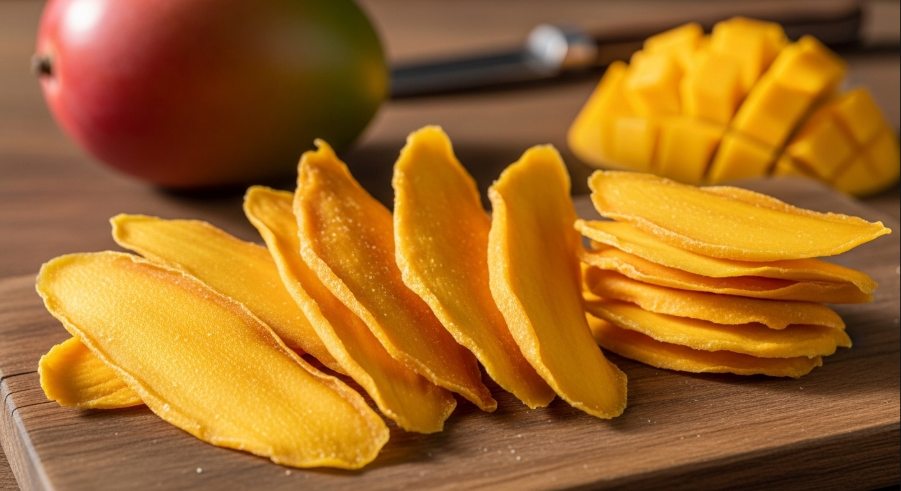
Scrambling to find safe snacks for your gluten-free kiddo's lunchbox? You're staring at a bag of dried mangoes, wondering if they'll trigger a reaction. Here's the answer you need right now: mangoes don't naturally contain gluten, and most dried mangoes are safe for people with coeliac disease or gluten sensitivity. But (there's always a but) you'll need to know what to look for on the label.
What You Need To Know:
- Does mango have gluten? No. Fresh mangoes are 100% naturally gluten-free as they're a fruit, not a grain.
- Is dried mango gluten free? Yes, in most cases. Pure dried mango contains only mango and sometimes preservatives, but cross-contamination during processing can be a concern.
- Look for certified gluten-free labels with the crossed grain symbol approved by Coeliac Australia.
- Check the ingredients list – if it only lists mango (and maybe sodium metabisulphite for colour), you're good to go.
Does Mango Have Gluten? Understanding the Basics
Let's clear this up once and for all. Gluten is a protein found in wheat, barley, rye, and sometimes oats. It's what gives bread that chewy texture. Mangoes? They're tropical fruit that grow on trees, not grains harvested from fields. So no, does mango have gluten? Absolutely not.
Fresh mangoes are naturally gluten-free and actually pack a nutritional punch. One cup of fresh mango gives you about 67% of your daily vitamin C needs – more than many citrus fruits. They're also loaded with fibre, vitamins A and E, and only contain around 100 calories per cup. For anyone following a gluten-free diet, fresh mango is a safe, nutritious choice straight from nature.
But here's where it gets a bit trickier – when mango gets dried and packaged, things can change.
Is Dried Mango Gluten Free? What Processing Does
Pure dried mango is gluten-free because it's just dehydrated fruit. Most manufacturers take fresh mango, slice it, remove the water content through drying, and boom – you've got chewy, sweet dried mango. The basic process doesn't involve any gluten-containing ingredients.
However, is dried mango gluten free in every single packet you'll find at the shops? Not always guaranteed. Cross-contamination is the villain here. If a facility processes dried mango on the same equipment used for products containing gluten (like certain cereals or baked goods), trace amounts of gluten could end up in your supposedly safe snack.
This is especially important for people with coeliac disease. Even tiny amounts of gluten can trigger an immune response and damage the small intestine.
How to Spot Safe Dried Mango
Shopping for gluten-free dried mango isn't complicated once you know the tricks. Here's what to check before tossing that bag in your trolley:
Look for the Crossed Grain Logo
Products with the Coeliac Australia endorsement logo (a crossed grain in a circle) have been tested and approved. If you see this symbol, you're golden. These products meet Australian food standards, which require "no detectable gluten" for any product labelled as gluten-free.
Read the Ingredient List
The shorter, the better. Quality dried mango often contains just one or two ingredients: mango, and sometimes sodium metabisulphite (a preservative that keeps the colour vibrant). Remember, if you spot wheat, barley, rye, or "gluten" listed anywhere in the ingredients, that's a manufacturing addition and you should put it back. Some brands add sugar or other sweeteners. While these don't contain gluten, they do increase the calorie count. Unsweetened dried mango is your healthiest bet.
Check for Cross-Contamination Warnings
Scroll down to the allergy statement. Responsible manufacturers will note if products are made in facilities that also process wheat or other gluten-containing ingredients. Phrases like "may contain traces of gluten" or "made in a facility that processes wheat" are red flags for anyone with coeliac disease.
Consider Certified Gluten-Free Brands
Many Australian health food shops stock certified gluten-free dried fruits. Brands that specialise in allergen-friendly foods often use dedicated facilities and equipment, reducing cross-contamination risk to virtually zero.
Why Dried Mango Makes a Smart Gluten-Free Snack
Beyond being naturally gluten-free, dried mango brings serious nutritional benefits to the table. Since mangoes don't have gluten to begin with, you're getting pure fruit nutrition without any of the inflammatory proteins that cause problems for people with coeliac disease. Fresh mango already contains over 20 different vitamins and minerals, and the drying process concentrates many of these nutrients.
You'll get a decent hit of dietary fibre (around 3-5g per mango), which helps with digestion and keeps you feeling full longer. The vitamin C content remains impressive even after drying, supporting your immune system and skin health. Plus, mangoes contain antioxidants that fight free radicals in your body.
For parents dealing with fussy eaters or kids with multiple dietary restrictions, dried mango ticks a lot of boxes. It's portable, doesn't need refrigeration, and most kids actually enjoy the sweet taste. Pair it with some nuts (if allergies aren't a concern) or serve alongside veggie crisps for a balanced snack that won't spike blood sugar levels as dramatically as lollies.
Other Gluten-Free Snack Ideas to Try
Dried mango isn't your only option when you need gluten-free snacks. The good news? Tons of naturally gluten-free foods exist, and many are just as convenient.
Dried Fruits and Veggies
Beyond mango, look forfreeze-dried strawberries ordried beetroot snacks. These maintain the nutritional benefits of fresh produce while offering that satisfying crunch factor. They're alsogluten and nut free, making them safe for kids with multiple allergies.
Fresh Whole Fruits
Can't go wrong with an apple, banana, or orange. No processing, no cross-contamination risks, and naturally packed with nutrients. The downside? They bruise easily in lunchboxes and don't last as long at room temperature.
Veggie-Based Crisps
Products made from single vegetables like beetroot, sweet potato, or shiitake mushrooms offer gluten-free alternatives to traditional potato chips. They're often lower in fat and provide extra vitamins you won't find in regular crisps.
Rice Crackers and Corn-Based Snacks
Plain rice crackers (check labels carefully) and unseasoned popcorn are reliably gluten-free. Add some hummus or nut butter for extra protein and staying power.
For more inspiration, our collection ofgluten-free snack ideas covers everything from protein-packed options to sweet treats that won't trigger reactions.
If you're keen to learn more about whether dried mango stacks up nutritionally, check out our guide onis dried mango healthy to see how it compares to other snack options.
Making Gluten-Free Snacking Work for Your Family
Does mango have gluten? No. Is dried mango gluten free? In most cases, yes – but smart label reading is non-negotiable. Choose products with the Coeliac Australia certification symbol, check ingredient lists for hidden gluten, and watch for cross-contamination warnings if you're managing coeliac disease.
Fresh and dried mangoes both offer nutritious, naturally gluten-free snacking options that pack vitamins, minerals, and fibre into every bite. Whether you're looking for healthy snacks for kids, managing your own dietary restrictions, or simply want healthier snack choices, mango deserves a spot in your pantry.
Looking for more variety in your gluten-free snacking routine? Shary's range of dried fruit and veggie snacks offers certified gluten-free, nut-free options that work for even the pickiest eaters. From classic dried mango to innovative mushroom crisps, we've got nutritious choices that taste good and fit dietary restrictions.