
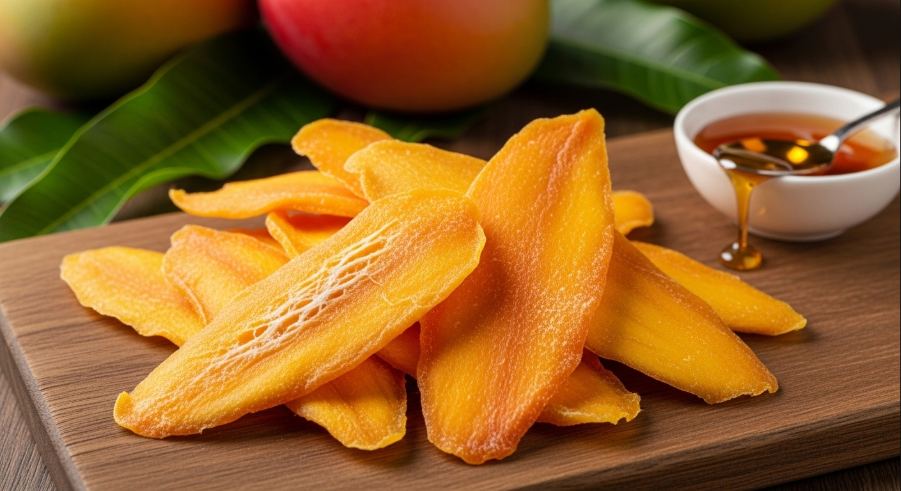
You've spotted those golden, chewy slices of dried mango at the shops, and they're calling your name. But before you toss a bag in your trolley, you're wondering: is dried mango healthy, or is it just glorified lolly in disguise?
Fair question. Dried mango tastes suspiciously good – that tropical sweetness, the satisfying chew – it almost seems too delicious to be nutritious. But here's the thing: when you choose the right kind, dried mango actually packs a serious nutritional punch whilst satisfying your sweet tooth. So, what’s the catch? Not all dried mango is created equal, and portion sizes matter more than you might think.
Let's dig into what makes dried mango tick, when it's brilliant for you, and when you might want to reach for something else instead.
Key Takeaways
- Yes, dried mango can be healthy – it's packed with fibre, vitamins A and C, and antioxidants when you choose unsweetened varieties
- The sugar situation: Dried mango is naturally high in concentrated fruit sugars (around 66g per 100g), but unsweetened versions contain zero added sugar
- Watch your portions: Stick to about 30-40g (a small handful) to enjoy the benefits without overdoing the natural sugars
- Best choice: Look for dried mango with only one ingredient listed (mango) and avoid anything with added sugars, sulphites, or preservatives
- Bonus tip: Freeze-dried mango retains even more nutrients and has a satisfying crunch
What's Actually in Dried Mango?
Dried mango is essentially fresh mango with the water removed – sounds simple, right? But that dehydration process concentrates everything: the natural sugars, the nutrients, the calories, and yes, the flavour.
A typical 40g serving (about 9 pieces) of unsweetened dried mango contains roughly 120-140 calories and 28-32g of natural sugars. That's significantly more concentrated than fresh mango, which contains about 14g of sugar per 100g.
But it's not just sugar. That same serving also delivers 2-3g of dietary fibre, which helps slow sugar absorption and keeps you feeling fuller. You'll also get a decent hit of vitamin A (supporting eye health and immunity), vitamin C (though some is lost during drying), vitamin E, and minerals like potassium and magnesium.
The key word here? Concentrated. You're getting all the nutrition of fresh mango in a much smaller package – which is brilliant if you're mindful of portions, but easy to overdo if you're munching mindlessly while watching telly.
Dried Mango Benefits: The Good Stuff
So, dried mango, is it good for you? When eaten in moderation, absolutely. Here's what makes it a smart snack choice:
- Fibre for gut health: Each serving packs 2-3g of dietary fibre, helping with digestion and keeping your gut bacteria happy.
- Antioxidant powerhouse: Dried mango retains antioxidants like beta carotene, beta cryptoxanthin, and polyphenols, which help protect your cells from damage.
- Portable energy: The natural fruit sugars in dried mango provide quick energy without the crash you'd get from processed sweets.
- Satisfies sweet cravings naturally: Instead of reaching for chocolate or biscuits, dried mango can scratch that sweet itch with actual nutrients attached.
The dried mango benefits extend to immune support too, thanks to vitamins A and C working together to keep your defences strong – especially handy during cold and flu season.
Does Dried Mango Have Added Sugar?
Here's where things get tricky. Does dried mango have added sugar? It depends entirely on which brand you buy.
- Unsweetened dried mango contains only natural fruit sugars – the same sugars you'd find in fresh mango, just concentrated.
- Sweetened or candied dried mango has extra sugar added during processing. Some brands coat their slices in syrup or cane sugar, which can push the total sugar content sky-high.
Always check the nutrition label's "added sugars" line – it should read 0g if you're buying the good stuff.
Some dried mangoes use sulphur dioxide as a preservative to maintain that bright orange colour and extend shelf life. Whilst generally recognised as safe, sulphites can trigger allergic reactions in some people. If you're sensitive, look for sulphite-free options.
How Does It Stack Up Against Fresh Mango?
Let's be honest: fresh mango will always win the nutrition battle. But dried mango holds its own in certain situations.
Fresh mango contains about 83% water, making it incredibly hydrating and lower in calories (around 60 calories per 100g versus 300+ for dried). A study published in theNational Library of Medicine found that fresh mango created greater feelings of fullness and better blood sugar control compared to dried mango when participants ate equal-calorie portions.
However, dried mango has some practical advantages. It's shelf-stable for months, travels brilliantly, and won't make a mess in your handbag. Plus, it's available year-round at consistent prices, whereas fresh mangoes can be pricey and seasonal.
Want the best of both worlds?Freeze-dried fruit retains up to 97% of fresh fruit's nutrients because it's never exposed to heat. Freeze-dried mango has that satisfying crunch, zero added sugar, and keeps those heat-sensitive vitamins intact – making it a brilliant middle ground between fresh and traditionally dried.
Is Dried Mango a Healthy Snack for Daily Munching?
Is dried mango a healthy snack for everyday eating? Yes, but with a big asterisk: portion control is everything.
Here's the reality. Because dried mango is so concentrated, it's ridiculously easy to eat three servings without realising it. You wouldn't sit down and eat three fresh mangoes in one go, right? But that's essentially what happens when you polish off a large handful of the dried version.
For kids, dried mango can be a fantastic addition to lunchboxes – much better than fruit straps or muesli bars loaded with refined sugars. Just keep portions sensible. A small handful (20-30g) gives them natural sweetness, fibre, and vitamins without the sugar spike. Looking for more ideas? Check out our guide tohealthy snacks for kids for inspiration.
How Much Should You Actually Eat?
The sweet spot? About 30-40g per serving – roughly a small handful or 7-9 pieces. This gives you the dried mango benefits without overdoing the natural sugars.
To put this in perspective, that 30-40g serving equals about one-third of a cup of dried mango, which nutritionally equates to eating one whole cup of fresh mango.
Looking for alternatives?Beetroot snacks orgreen pea snacks offer that satisfying crunch with less sugar and more savoury flavour. And if you're after sweet alternatives with minimal processing,freeze-dried strawberry delivers intense fruit flavour with all the nutritional benefits – perfect for smoothies, cereals, or straight-up snacking.
Want recipe inspiration? Try adding dried mango to energy balls, overnight oats, or use it indried strawberry crisp recipes for a tropical twist. You can even rehydrate dried mango by soaking it in warm water for 10-15 minutes, then use it in chutneys or baked goods.
Add Healthy Dried Snacks To Your Day
So, is dried mango healthy? Absolutely – when you choose unsweetened varieties and eat it mindfully. It's packed with fibre, vitamins, and antioxidants that support your immune system, gut health, and overall wellbeing. Just remember that those concentrated natural sugars mean portion sizes matter.
Look for brands with "mango" as the only ingredient, skip anything with added sugars or sulphites, and treat it as a special addition to your snack rotation rather than an all-day munch. Your body (and your taste buds) will thank you.
At Shary, we specialise in freeze-dried and crisped veggie snacks that deliver crunch and flavour without the guilt. Fromhealthy mushroom snacks for kids to our range of fruit crisps, we're all about making nutritious snacking actually enjoyable.